


11 min to read
|Jan 2023
No Experience Required: Pilot a Boat on a French Canal
 1
1 Print or download


©THERRY/iSTOCK
My wife Patty wasn’t keen on the idea. In fact, she thought it was downright crazy.
You see, I’d asked Patty what she’d like for her birthday, and she surprised me with: “I’d like to take a boat trip on a French canal.”
It was a milestone birthday, so something special was in order. I looked into a weeklong cruise on 100-foot converted barge, meandering along a French canal. The craft had air-conditioned accommodations, a chef, and staff to cater to our every whim. Perfect! Until I saw the price. One deluxe week would drain several years’ worth of vacation budget.
I kept researching and read about a couple who had rented a small boat and piloted it on a canal in France by themselves. There was nothing in Patty’s birthday request suggesting we had to have a captain…
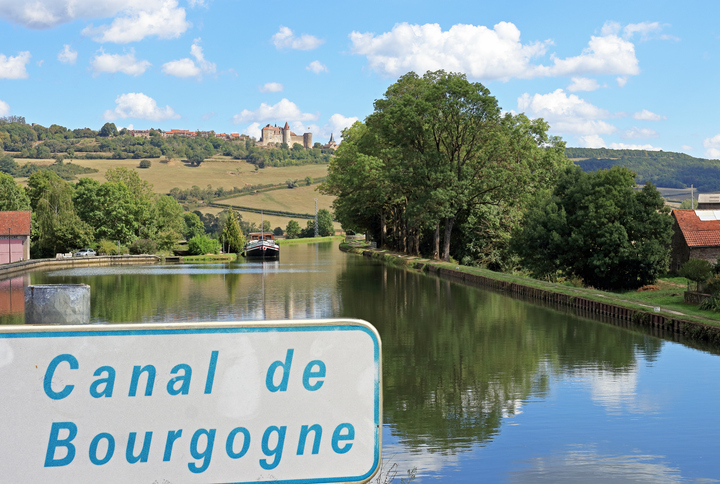
I presented my alternative (much less expensive) gift with flair. Patty’s birthday trip on the Canal de Bourgogne was described in a “brochure” I’d assembled with photos of locks adorned with flowers and smiling lockkeepers offering passengers local wines and wheels of cheese.
I added descriptions of the quaint ports where we’d be docking on our voyage through French vineyards.
On the last page was a photo of the 30-foot-long fiberglass houseboat I’d reserved—no deckchairs, cook, or staff in sight. I had to disclose the obvious: Patty and I would be in command of this craft.
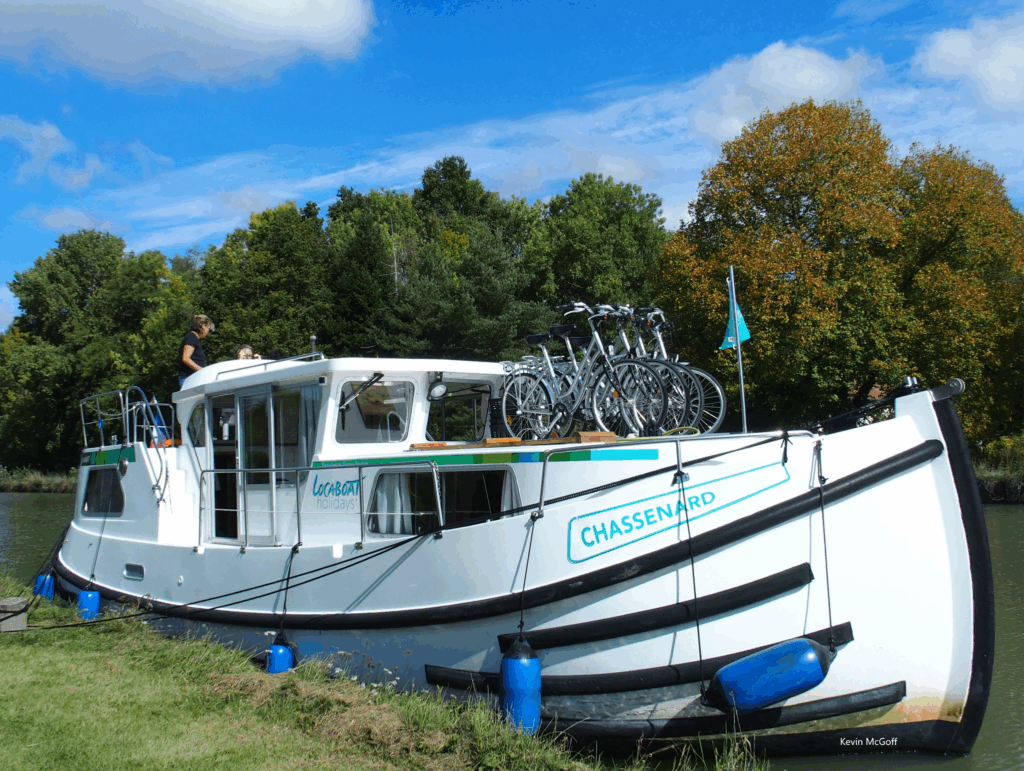
We’d pilot the penichette, a French designed and built boat, similar to a traditional French barge) as if seasoned mariners, cutting through the water along the vineyards of Burgundy, navigating our own way. We’d also serve as deckhands, wait staff, cooks, and housekeeping.
Our First Voyage
To be fair, I wasn’t surprised by her reaction. We’d never owned a boat. Our watercraft experience was limited. We’d been occasional passengers on friends’ boats and I’d fished with her dad on occasion (but was never permitted to take the helm).
But after the initial shock, Patty was up for the adventure. We headed to Dijon and struck out on our first French canal voyage.
Piloting a boat at a speed of no more than four miles per hour, the French countryside unfolds at a pace to which the world has become unaccustomed. Cruising the French waterways on your own reveals pockets of the country that travelers along the highway will never discover.
We loved that we were able to select the pace of the journey, where to dock, and how long to stay. Mooring in remote areas provide shaded spots for a leisurely lunch and siesta, or an overnight filled with sounds of the forest and a sky full of stars. Bicycles on board allowed us to venture into the countryside to chateaux, vineyards, and historic points of interest.
And we even made friends along the way. In the first lock we came to on the Canal de Bourgogne, we met a couple from Vienna. Their boat was already in the lock we would share as it emptied, lowering us into the next basin.
Once out of the lock, our two boats traveled at the same speed, causing us to spend the day together. This slow pace of our cruise allowed for plenty of time to chat with our new European friends.
By day two, Patty and I were having lunch on our new friends’ boat. We’d tie up amid fields and vineyards where we shared charcuterie, cheeses, and a salad. Over a few beers or glasses of wine we spent hours telling stories before setting off for our afternoon’s cruise.
Our week on the Canal du Bourgogne passed quickly. There were no close calls, no person overboard, and we returned the craft without a scratch or punctured buoy. We returned home an experienced canal boat crew.
Cruising the Canal du Midi
The big lesson we learned that week? Our money-saving plan paid off. The “self-drive” adventure was worth well more than we paid for it… and now we could take our new-found skills to other canals. Best of all, you don’t need any sailing experience, nor do you need a license (under European law, it’s legal to rent a boat without a license on certain waterways).
France has almost 5,000 miles of navigable waterways. Over the years we have traveled on the Canal du Nivernais and Canal du Bourgogne both in the Burgundy region. In Brittany we spent two weeks on the Canal Nantes à Brest. And we’ve cruised on the rivers Saône, Baïse, and Seille.
Given the many choices for your French boating trip, a good planning tool is David Jefferson’s book, Through the French Canals: The Complete Guide To Cruising The French Waterways. And the website French Waterways has lots of great info and advice on routes as well as practical tips.
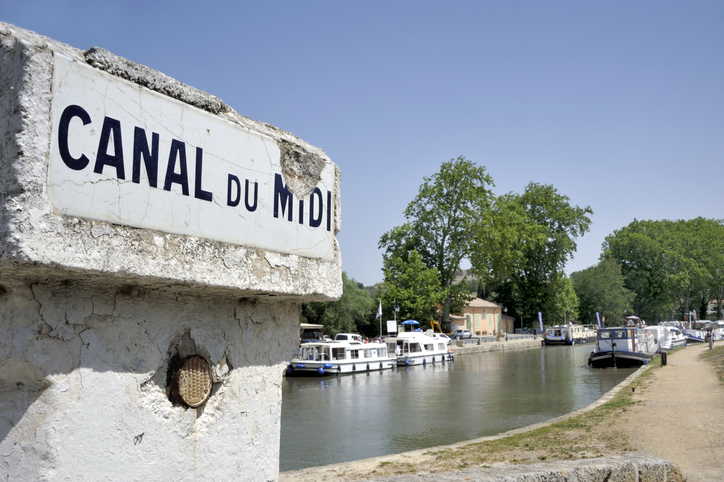
The Canal du Midi is our favorite, though and it’s the quintessential treelined canal. The climate in this region is typically dry and a bit warmer than the northern waterways. Perfect for cruising.
Work on the Canal began during the reign of Louis XIV in 1667. The Mediterranean and the Atlantic were linked by this engineering marvel, which served to move goods and people along its winding path. Railroads replaced the canal as a means of transportation in the 19th century and today it’s dedicated to pleasure cruisers.
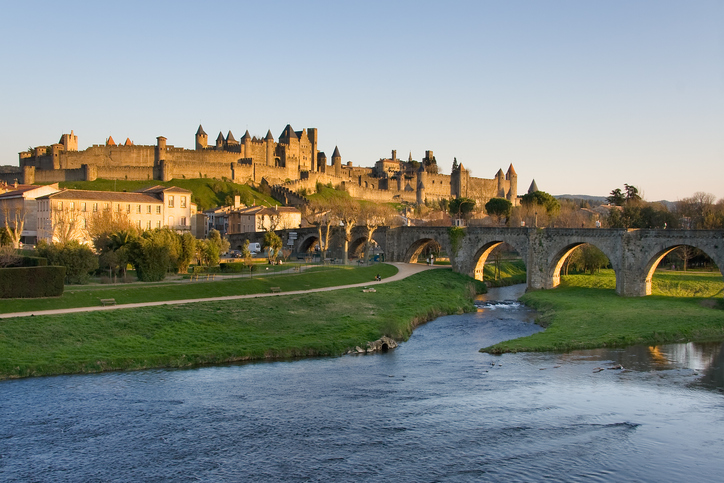
The Canal du Midi winds along vineyards, woods, and through villages. It passes through the cities of Carcassonne, Toulouse, and Béziers ending at the Étang de Thau. Over the years we’ve cruised various segments of the Canal du Midi on our own and with friends, almost always enjoying good weather.
Easy, Fun, and Relaxing
On each trip, we’ve rented our boat through a company called Locaboat. Their boats range in size from nine to 15 meters in length but are designed to be easy to handle and are comfortable. Prices vary, but start at €1,099 for a week on the smallest boat in off season.
In advance of your voyage, Locaboat will send you an info pack to help you prepare for your vacation. When you pick up your boat, the staff will take crew members on a tour of it and explain every aspect of managing the craft. Even though no questions are left unanswered, there’s also a detailed manual on board. Once you’re settled onboard, a Locaboat agent will board and you will shove off for a training cruise on the canal. This is a valuable coaching session for all soon-to-be boat captains before embarking on your journey.
The sleeping quarters are cozy and the mattresses firm. On our first trip, we searched high and low for the shower before discovering that it was actually the faucet from the sink. When extended it became the shower head and the entire bathroom converted into a shower. (Tip: Remove towels and toilet paper prior to activating.)
“
When spending the night docked in a town you’ll find quayside restaurants. They’re often filled with the chatter of fellow boaters and clanging glasses as the day’s events are rehashed.
But if you decide to moor for the night in a remote part of the canal, the kitchen is outfitted with cutlery, plates, and pots sufficient for putting together lunch or dinner. Heating up freshly made lasagna purchased along the way provides a hearty meal without having to endure much kitchen time. There are frequent markets in the quayside towns offering everything you’ll need to prepare a meal.
Piloting your own boat is challenging, but not difficult. Wind can sometimes make for tricky maneuvering at locks and ports. Keep an eye out for low bridges that can snap your umbrella pole (we’ve done that). The entry point of the first lock you enter will look mighty narrow. Keep in mind that bigger boats than yours fit with ease. Like any new skill, doing it is the best way to learn. Patience and operating at a slow speed are key to successfully navigatinga bit of wind or coming into a lock that already has three boats in it.
Patty is the capitaine. She can expertly maneuver through locks and ports. I’m the sailor, jumping off to tie up when we moor.
We get along fine without a cook or staff and caring for the boat isn’t difficult. We chat up the lockkeepers and buy their products as we navigate the locks. The scenery is every bit as beautiful as what you’d see from a fancy barge.
Weeklong trips began to be too short for us as we got more experienced, so we’ve graduated to scheduling 10-to- 14-day excursions. Since Patty’s birthday trip, we’ve been on nine more self-piloted canal and river cruises in France. Our next trip is scheduled… and some of our family will join us, piloting a penichette along another charming French canal.
FIVE THINGS TO KNOW WHEN PLANNING YOUR FIRST VOYAGE
1. Unless you have some boating experience, plan your initial voyage along a route that doesn’t include traveling on a river. There’s no current in a canal and the water is shallow. Plus you’re never more than a few feet from land. Winds, currents as well as commercial barge and large river boat traffic can make rivers such as the Saône tricky to navigate. If you opt for a route that includes passage on a river, it will be important to become familiar with the navigational signs and boating terms in French.
2. Invest some time in picking up at least the pleasantries in French. Canal cruising has revived the tourist industry in many small towns and you can get by in English, though there will likely be a few conversations where pointing and hand gesturing will come in handy.
3. Always have provisions for at least one meal aboard the craft. We once shoved off late in the day, planning to stop along the way to shop for provisions. We arrived at our small-town destination after the shops had closed. It was also the lone restauranteur’s day off. We had crackers left over from our Air France flight for dinner due to our poor planning.
The canals pass through remote areas, which is a major part of the charm of this mode of travel. But stores may be closed on a Monday or your arrival into a town may coincide with the chef’s day off. We always keep a box of rice and pasta in our cupboard and chicken in our fridge.
4. We enjoy planning our trips, particularly when bringing friends along for the first time. It’s best to lock in your boat six months or so in advance to secure the boat you want on the canal you would like to cruise. Before you leave home, learn about the region you select for your voyage and the unique history of the canal on which you plan to cruise.
5. The boat rental company you select will provide suggestions about what to have on board. We’re never without: gloves (wet ropes are unfriendly to the hands), a flashlight for each traveler to light the way to your boat after dinner, a knife (for cutting a rope in an emergency) and a well-stocked fridge and pantry.
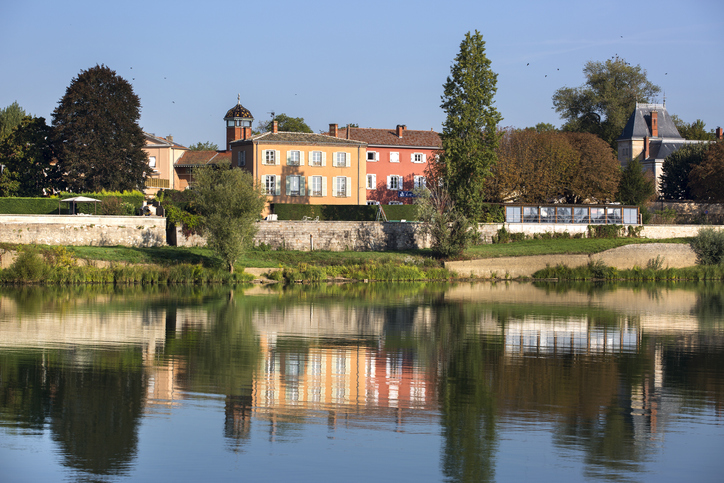
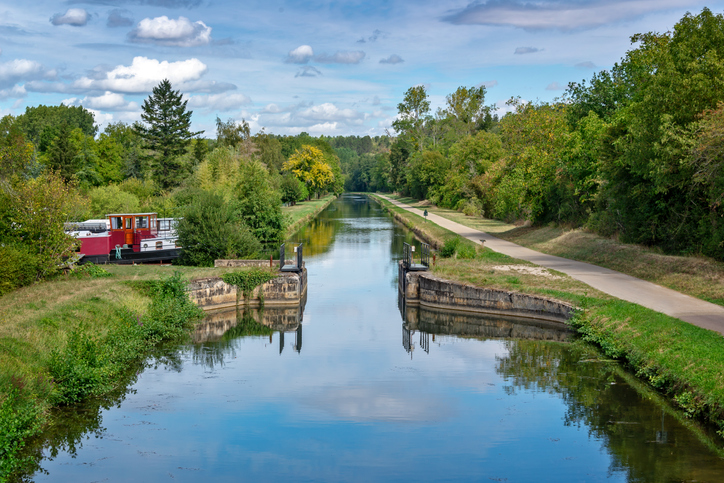
Cruising France’s Canals in Photos

Also in This Issue
Curiosities, Quirky Tidbits, Useful Notes
Each month, we bring you recommendations, odd notes, and useful tools to help you better navigate an interesting world. Visit...

What Will Be Europe’s Next “Breakout” Spot?
As I write this, I’m at a café in the Portuguese city of Caldas da Rainha, a historic spa town...
From Roman Ruins to Terrace Wine: Portugal for Every Taste
“We Wanted a Country That Was Safe” Names: Kathy Stearman and Keith GlynnFrom: Kentucky and New York CityLiving in: Coimbra, Portugal Kathy Stearman’s...
Curiosities, Quirky Tidbits, Useful Notes
Each month, we bring you recommendations, odd notes, and useful tools to help you better navigate an interesting world. Visit...
What Will Be Europe’s Next “Breakout” Spot?
As I write this, I’m at a café in the Portuguese city of Caldas da Rainha, a historic spa town...
From Roman Ruins to Terrace Wine: Portugal for Every Taste
“We Wanted a Country That Was Safe” Names: Kathy Stearman and Keith GlynnFrom: Kentucky and New York CityLiving in: Coimbra, Portugal Kathy Stearman’s...