



6 min to read
|Jan 2024
Where to Buy Property in Italy… and One of the Major Benefits of Overseas Real Estate
 1
1 Print or download


◼ Dale says: My wife and I love Italy and are interested in buying a second home there, preferably something in a rural setting but close enough to some of the country’s major cities to allow us to visit. Where would you recommend we look for good-value real estate like this?
◼ Ronan says: When it comes to good-value real estate in Italy, I’d recommend you look at Umbria. That’s the only Italian destination to make my Real Estate Trend Alert (RETA) index of the best places to buy real estate in 2024.
The central Italian region of Umbria is less well-known than its more famous neighbor, Tuscany. But like Tuscany, this is a land of remarkable natural beauty, noted for its dense forests, rolling green hills lined with vineyards and olive groves, and charming medieval towns.
Known as the “Green Heart of Italy,” Umbria is the country’s only landlocked region, yet it remains lush thanks to the Tiber River and Lake Trasimeno, the largest lake in central and southern Italy. The region is home to some of the country’s best produce, including rich, earthy red wines, cured meats made from wild boar, exceptional olive oils, and vast numbers of truffles, which are found throughout its forests and are grated over everything.
American-British writer Henry James described Umbria as “the most beautiful garden in all the world.”
The region of Umbria is divided into two provinces: Perugia in the north (also the name of Umbria’s capital) and Terni in the south. Both are dotted with beautiful, historic towns and cities. You can ride escalators in the Renaissance-era fort of Rocca Paolina to reach the center of Perugia city, nestled on a hilltop… explore the many churches of Assisi, one of the best-preserved medieval cities in all of Italy (its entire city center is a UNESCO World Heritage site)… or wander the idyllic village of Spello, with its winding streets, colorful stone houses, and remarkably intact fortified Roman walls.
Umbria’s abundance of historic attractions, stunning natural beauty, and incredible food help explain why it scored a nine for Quality of Life on the RETA real estate index. Moreover, its central location makes it a convenient jumping-off point for reaching many of Italy’s most famous destinations. Florence is less than a two hours’ drive north from Perugia. Rome is a little over two hours to the south. And you can reach areas of Tuscany’s famed coast, such as beaches in the Grosseto region, by driving two hours west.
Yet, because it’s landlocked, Umbria remains overlooked. It’s sometimes called “Tuscany without the tourists.” This is reflected in its real estate prices. According to figures from an Italian real estate company for December last year, prices in Tuscany average €2,482 ($2,690) per square meter. Yet in neighboring Umbria, prices are less than half this, averaging just €1,135 ($1,230) per square meter. That’s around €105 ($114) per square foot. I’ve seen 10-bed villas with swimming pools and gorgeous Italian views of the countryside listed in Umbria for less than €300,000 ($325,000). This is why Umbria is one of only six destinations on the RETA index to score a perfect 10 in Relative Value.
If you’re ready to begin looking in Italy, find an English-speaking real estate agent. Real estate agents in Italy are required to be registered with the local chamber of commerce. So, check that they have their license, the patentino di agente di affari in mediazione, before you proceed.
Once you’ve decided on a property to buy, you’ll need to hire a notary. Essentially, the notary performs the same role as a lawyer, but with one crucial difference. Unlike a lawyer representing the interests of a client, a notary places neutrality and fidelity to the law above all.
Italians rarely hire a lawyer when they buy their homes because it is the notary who does the legal checks, and writes the final deed. However, if you are not fluent in Italian, or Italian law, then it’s advisable to retain legal advice before signing anything.
◼ Kenneth says: How much are property taxes on overseas real estate? I have heard they’re a lot cheaper than in the US.
◼ Ronan says: Hi Kenneth, property taxes vary significantly from country to country and can depend on the type and the value of the real estate you purchase. However, broadly speaking, you’re correct. Property taxes are typically much lower overseas, even in world-leading destinations that attract millions of tourists every year.
In Cabo, the property tax rate is 0.17% of the assessed value of your home if you’re using it as a residence. And the rate is 0.36% for rental properties. So, say you bought a condo in Cabo for $228,400. (That’s exceptional value for a condo there, but I’m using this price since members of my Real Estate Trend Alert group had the opportunity to buy luxury, two-bed condos in a best-in-class community from this price in a RETA-only deal last September.)
If you were using the condo as a residence, you’d only owe around $388 per year. And if you were renting it out, you’d have to pay just $822 annually. Compare that to the average property tax bill in Nebraska ($3,938), Texas ($5,119), or New Jersey, where the average bill is $10,409.
Now, to be clear, that’s just an example. You’ll want to factor in things like the dollar-peso exchange rate to work out your final bill in dollar terms every year. But those are the ballpark ranges for owning in Cabo. And you’ll find similarly low property tax rates in other world-renowned destinations overseas.
Take Spain’s Costa del Sol. Property tax in Malaga province, where the Costa del Sol is located, is estimated to be just €450 to €850 ($490 to $920) per year for a home valued at around €350,000 ($380,000). Lower holding costs is often one of the major benefits of investing in real estate overseas.

Editor’s Note: Ronan McMahon is IL’s international real estate expert and editor of Real Estate Trend Alert. If you have real estate questions and comments, email Ronan here. We may publish your question along with Ronan’s reply in IL Postcards or here in IL Magazine.

Also in This Issue
Curiosities, Quirky Tidbits, Travel Hacks
EXPERIENCES Venture into the Mayan Jungle for a Tree Lovers Tour Mother Nature had rolled out the red carpet. At...

Housesitting: Our 3-Year, Rent-Free European Tour
Name: Paul Emberger and Todra PayneFrom: Los AngelesLiving in: Roving “As housesitters, we stayed in areas the tourists don’t know about… and learned...
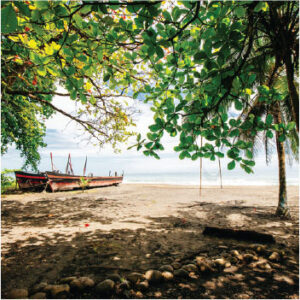
Overlooked Costa Rica: Expat Life on the Caribbean Coast
Name: Bruce CromartiesFrom: North CarolinaLiving in: Costa Rica Playa Negra—an up-and-coming neighborhood on Costa Rica’s Caribbean coast—flanks a bay of black volcanic sand....
Curiosities, Quirky Tidbits, Travel Hacks
EXPERIENCES Venture into the Mayan Jungle for a Tree Lovers Tour Mother Nature had rolled out the red carpet. At...
Housesitting: Our 3-Year, Rent-Free European Tour
Name: Paul Emberger and Todra PayneFrom: Los AngelesLiving in: Roving “As housesitters, we stayed in areas the tourists don’t know about… and learned...
Overlooked Costa Rica: Expat Life on the Caribbean Coast
Name: Bruce CromartiesFrom: North CarolinaLiving in: Costa Rica Playa Negra—an up-and-coming neighborhood on Costa Rica’s Caribbean coast—flanks a bay of black volcanic sand....